




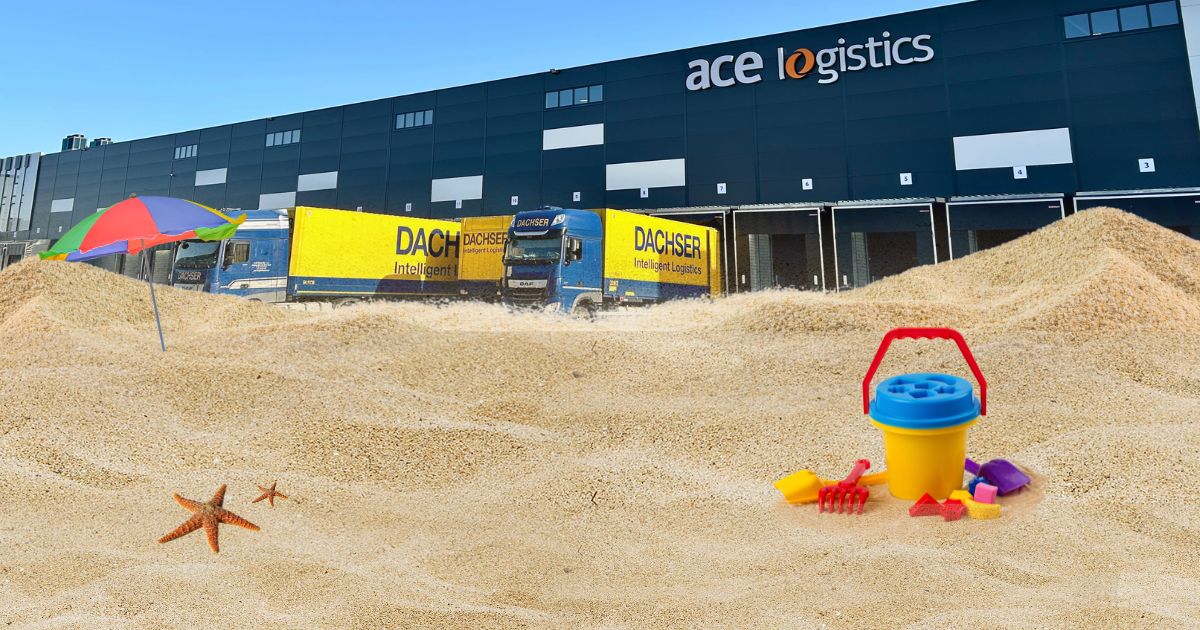
For most people, summer is associated with vacations, travel, and a slower pace of life. However, in the logistics and supply chain management industry, this period is often one of the busiest times of the year.
Summer Seasonality and Its Impact on Supply Chains
There is a common perception that business activity slows down during the summer months. In reality, many industries experience the opposite trend.
Summer often brings increased demand for seasonal goods and higher freight volumes. Export and import activities intensify, the construction sector becomes more active, and deliveries of certain e-commerce product categories increase significantly.
Together, these factors place additional pressure on transport infrastructure and supply networks, particularly during periods leading up to long holidays or peak seasonal demand.
Holiday Season and Resource Availability
One of the most significant challenges during the summer is resource availability throughout the supply chain.
During the holiday season, available resources may be reduced across various logistics processes, including warehouse operations, transport planning, customs clearance, manufacturing, and customer and supplier services.
Even minor delays at one stage of the supply chain can trigger a chain reaction, affecting delivery continuity and the ability to meet agreed deadlines.
Sea Freight During the Summer Months
Summer is also an important period for the maritime transport sector. While port operations and shipping routes generally continue as normal, fluctuations in demand and capacity constraints on certain routes may affect available transport options.
Under these circumstances, timely cargo planning and early booking become particularly important. Companies that plan their shipments in advance have greater flexibility in choosing the most suitable transport solutions and optimizing costs.
What Businesses Should Consider During the Summer Season
Although summer is traditionally associated with a slower business pace, the logistics industry often experiences increased workloads and more limited resource availability during this period.
To minimize potential supply chain disruptions, companies are advised to:
- Book transport services well in advance;
- Provide accurate and complete cargo information;
- Review delivery schedules before the holiday season;
- Maintain regular communication with logistics partners;
- Identify potential supply chain risks as early as possible.
The earlier decisions regarding transportation and deliveries are made, the greater the opportunities to select the most suitable logistics solution and ensure supply chain continuity, even during periods of increased demand and operational pressure.